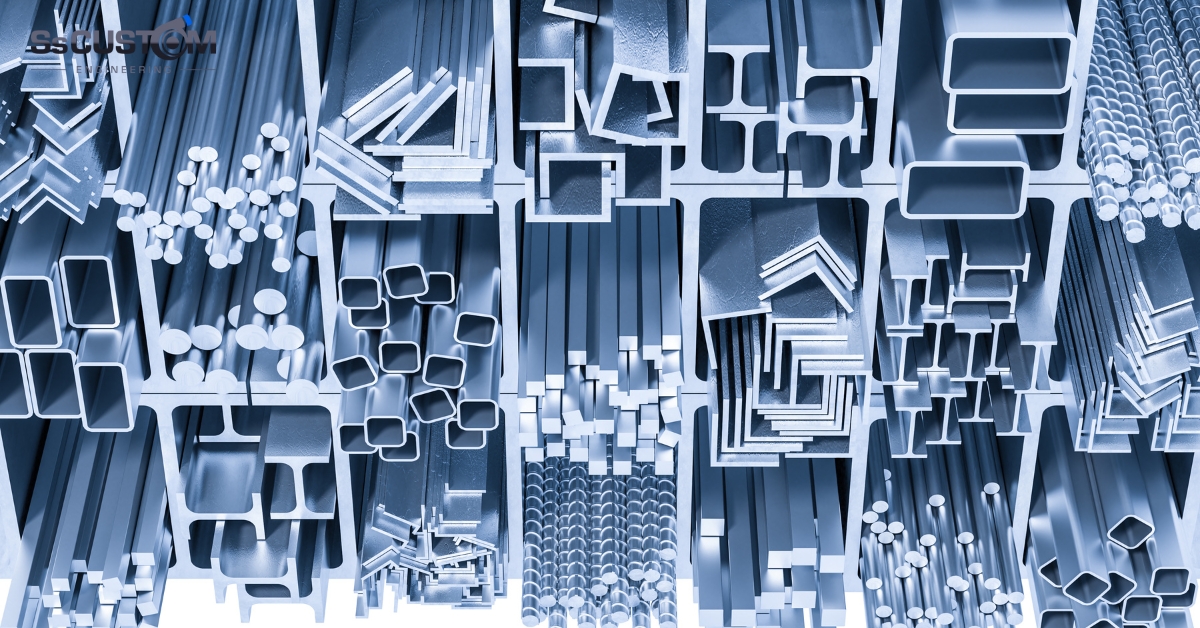
Stainless Exhaust Materials – Engineered for Power, Performance, and Longevity
When it comes to building a high-performance exhaust system, the materials you choose can determine everything from horsepower output to durability and sound quality. Stainless exhaust materials have become the gold standard in automotive, motorsports, marine, and industrial exhaust applications due to their unmatched resistance to heat, corrosion, and mechanical stress.
This guide breaks down why stainless materials are preferred, what types are available, how they perform in real-world conditions, and what you need to consider when selecting components for your next project.
What Are Stainless Exhaust Materials?
Stainless exhaust materials refer to a range of components—including tubing, bends, V bands, mufflers, and flanges—made from stainless steel. These materials are used to construct or upgrade complete exhaust systems, from the engine’s manifold to the tailpipe.
They are specifically designed to:
- Handle extreme temperatures
- Resist rust and corrosion
- Withstand road salts, chemicals, and moisture
- Maintain structural integrity under vibration and pressure
Why Use Stainless Steel for Exhaust Systems?
| Feature | Benefit |
|---|---|
| Heat Resistance | Maintains strength and shape at temperatures above 800°C |
| Corrosion Resistance | Ideal for harsh climates, salt exposure, and chemical contact |
| Longevity | Outlasts mild steel and aluminized steel alternatives |
| Structural Rigidity | Reduces flexing and cracking under stress |
| Clean Finish | Offers a sleek, polished look suitable for visible installations |
These qualities make stainless steel a superior material in both daily driving and competitive motorsports.
Grades of Stainless Steel in Exhaust Applications
- 304 Stainless Steel
- Most commonly used
- Excellent corrosion resistance and weldability
- Ideal for headers, mid-pipes, mufflers
- 316 Stainless Steel
- Marine-grade with molybdenum for enhanced corrosion resistance
- Suitable for coastal or high-humidity environments
- 321 Stainless Steel
- Stabilized with titanium to handle extreme temperatures
- Preferred for turbo manifolds and race headers
Common Stainless Exhaust Materials and Their Uses
| Component | Description and Use Case |
|---|---|
| Stainless Tube | Straight tubing for exhaust runs, manifolds, and tailpipes |
| Stainless Bends | Pre-formed curved tubes for routing exhaust around obstacles |
| Stainless V Bands | Secure and leak-free joining method for modular systems |
| Stainless Mufflers | Noise reduction while maintaining flow and tone |
| Flanges | Flat plates for bolt-on connections between exhaust sections |
Looking for a trusted source? Explore premium-grade Stainless Exhaust Materials for custom fabrication and performance systems.
Stainless vs. Mild Steel Exhaust Materials
| Feature | Stainless Steel | Mild Steel |
|---|---|---|
| Lifespan | 10–15 years (even in harsh climates) | 2–5 years (prone to rust) |
| Weight | Slightly heavier | Slightly lighter |
| Cost | Higher upfront investment | Lower cost, frequent replacement |
| Maintenance | Minimal | Regular rust prevention required |
Although stainless has a higher initial cost, it proves cost-effective over time due to minimal maintenance and extended life.
Fabrication and Welding Tips
To get the most out of your stainless exhaust materials, consider these practices:
- Cutting: Use carbide saws or plasma cutters to avoid burrs and deformation.
- Welding: TIG welding is preferred for clean, strong joints.
- Back Purging: Shield the interior with argon to avoid internal oxidation.
- Grinding & Finishing: Use stainless-specific abrasives to avoid contamination.
Performance Benefits of Stainless Exhaust Materials
- Improved Flow
Mandrel-bent stainless pipes ensure smooth exhaust flow, reducing backpressure and improving engine efficiency. - Thermal Efficiency
Stainless tubing retains heat inside the exhaust path, improving scavenging and turbo spool-up time. - Noise Management
Stainless mufflers and resonators control tone without sacrificing power. - Modular Customization
With components like stainless V bands, systems can be modified or repaired easily without cutting or welding each time.
Applications Beyond Performance Vehicles
While commonly associated with performance builds, stainless exhaust components are also essential in:
- Marine Engines: Saltwater-resistant 316 stainless components
- Diesel Trucks: Heavy-duty exhausts with long service lives
- Industrial Machinery: Venting systems that handle corrosive gases
- Motorcycles: Lightweight, performance exhausts with aesthetic appeal
Installation Tips for Stainless Exhaust Builds
- Mockup First
Always dry-fit your bends, tubes, and flanges before welding to ensure proper alignment. - Use High-Quality Clamps and V Bands
Ensure connections are leak-free and durable under vibration. - Account for Expansion
Stainless expands when hot—allow for movement in design to prevent cracking. - Support Brackets
Use robust mounting points to support the weight and reduce stress on joints.
Care and Maintenance
Even though stainless is rust-resistant, proper care extends performance:
- Rinse after road salt exposure
- Polish visible sections with non-abrasive cleaner
- Inspect welds annually for stress cracks or fatigue
- Avoid steel tools that can contaminate the surface with rust particles
Best Practices for Sourcing Stainless Exhaust Materials
When shopping for materials, prioritize:
| Criteria | Recommendation |
|---|---|
| Alloy Certification | Confirm 304, 316, or 321 stainless grades |
| Surface Finish Options | Brushed, mirror-polished, or mill finish |
| Dimensional Accuracy | Mandrel bends and precision-cut tubing |
| Inventory Availability | Various diameters, wall thicknesses, and bend angles |
| Shipping Support | Quick dispatch and packaging that prevents scratches |
Whether you’re building from scratch or upgrading an existing setup, reliable sourcing makes a major difference in results.
Final Words
Choosing high-quality stainless exhaust materials is more than a performance upgrade—it’s a long-term investment in durability, aesthetics, and efficiency. From smoother airflow to easier customization and maintenance, stainless steel delivers measurable advantages across all levels of builds.
No matter the vehicle or project, using precision-engineered stainless components ensures your exhaust system performs at its best, looks sharp, and lasts for years—even under the most demanding conditions.


